


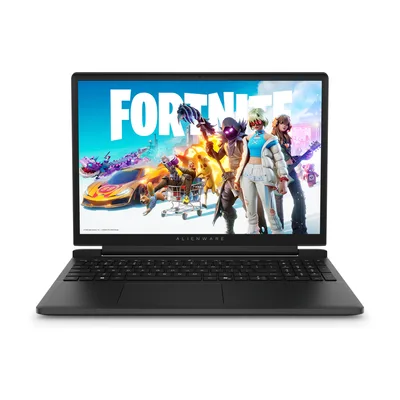
- Processor
- Intel Core 7 240H
- Memory
- 16 GB
- Storage
- 512 GB
- Screen
- 15.3"
Best Laptops With an Ethernet Port
Every laptop here has a built-in Ethernet port for a wired connection, and you'll find 48. A cable beats Wi-Fi for steady online games, big downloads and office networks, and more than half of these are gaming laptops.
We earn a commission from qualifying Amazon purchases made through our links, at no extra cost to you. This never affects our specs. How we make money.
48 laptops
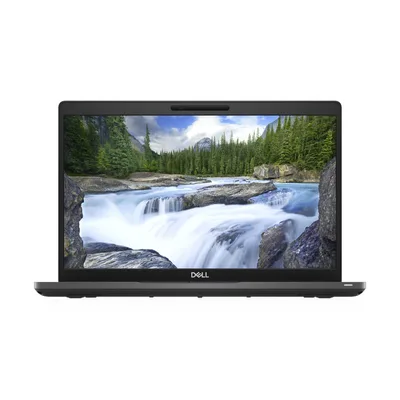
- Processor
- Intel Core i5-8365U
- Memory
- 16 GB
- Storage
- 512 GB
- Screen
- 14"
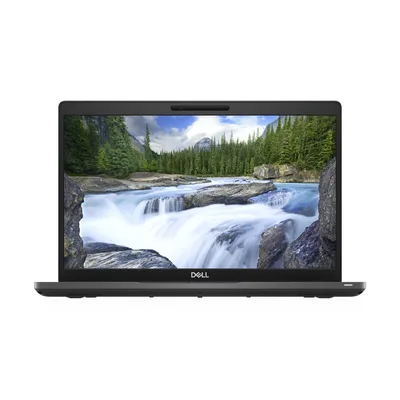
- Processor
- Intel Core i5-8365U
- Memory
- 8 GB
- Storage
- 256 GB
- Screen
- 14"
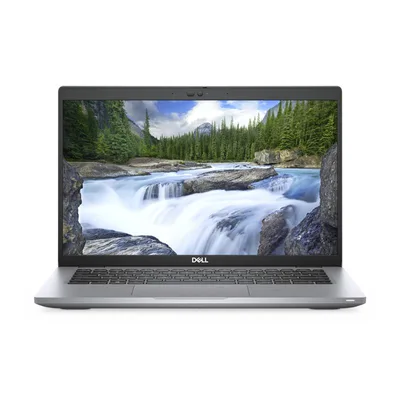
- Processor
- Intel Core i5-1135G7
- Memory
- 16 GB
- Storage
- 512 GB
- Screen
- 14"
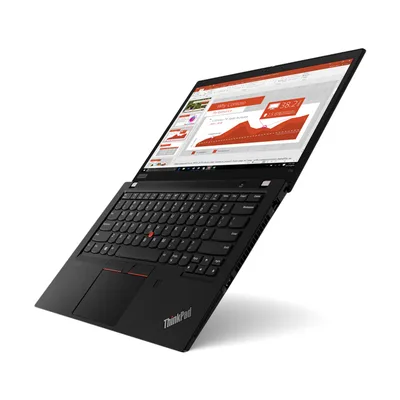
- Processor
- Intel Core i5-10310U
- Memory
- 16 GB
- Storage
- 512 GB
- Screen
- 14"
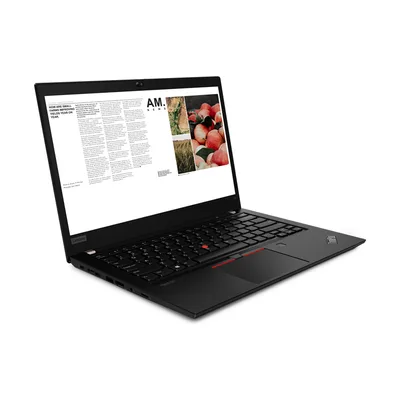
- Processor
- AMD Ryzen 5 PRO 4650U
- Memory
- 16 GB
- Storage
- 512 GB
- Screen
- 14"
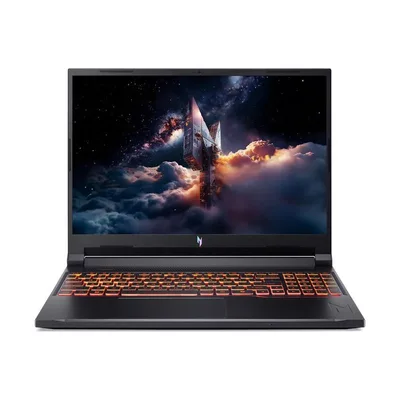
- Processor
- AMD Ryzen 7 260
- Memory
- 16 GB
- Storage
- 1 TB
- Screen
- 16"
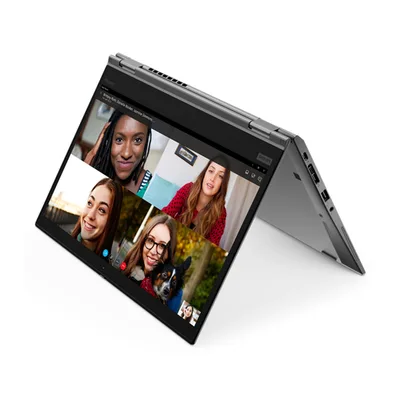
- Processor
- Intel Core i5-8265U
- Memory
- 8 GB
- Storage
- 256 GB
- Screen
- 13.3"
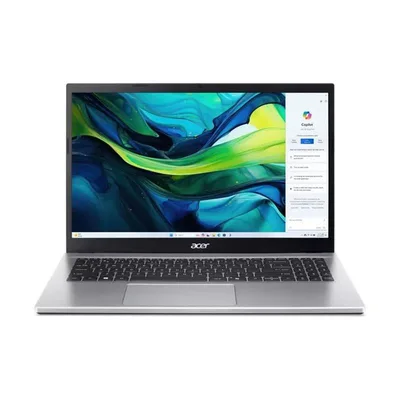
- Processor
- AMD Ryzen 7 5825U
- Memory
- 16 GB
- Storage
- 1 TB
- Screen
- 15.6"
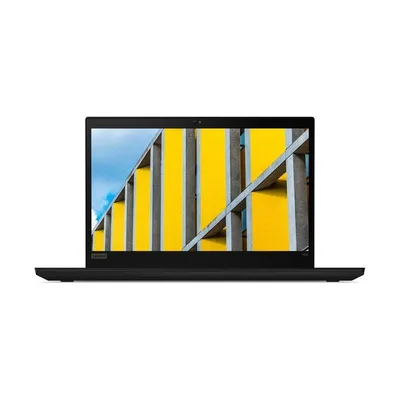
- Processor
- Intel Core i5-8265U
- Memory
- 16 GB
- Storage
- 256 GB
- Screen
- 14"
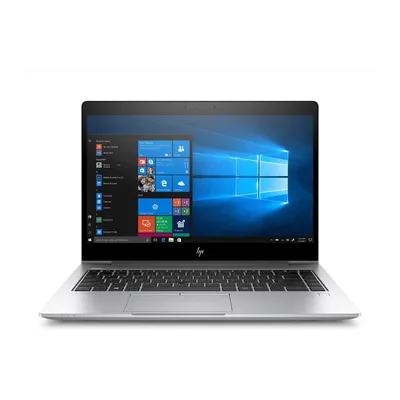
- Processor
- Intel Core i5-8365U
- Memory
- 16 GB
- Storage
- 256 GB
- Screen
- 14"
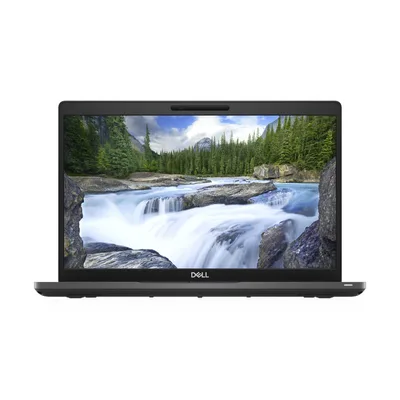
- Processor
- Intel Core i5-8365U
- Memory
- 16 GB
- Storage
- 256 GB
- Screen
- 14"
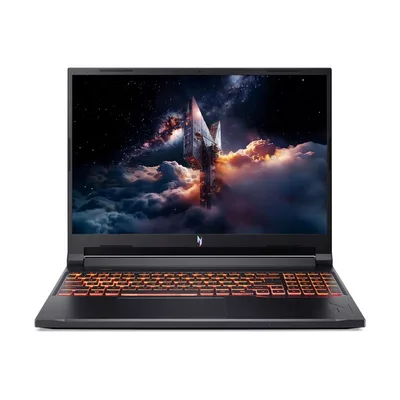
- Processor
- AMD Ryzen 5 240
- Memory
- 16 GB
- Storage
- 512 GB
- Screen
- 16"
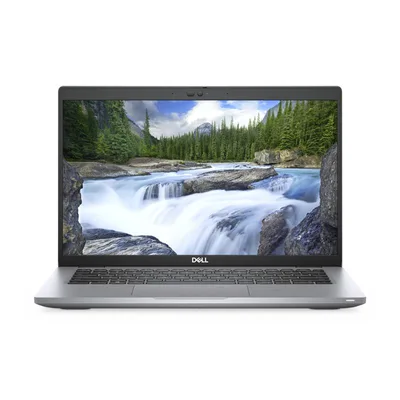
- Processor
- Intel Core i7-1165G7
- Memory
- 16 GB
- Storage
- 512 GB
- Screen
- 14"
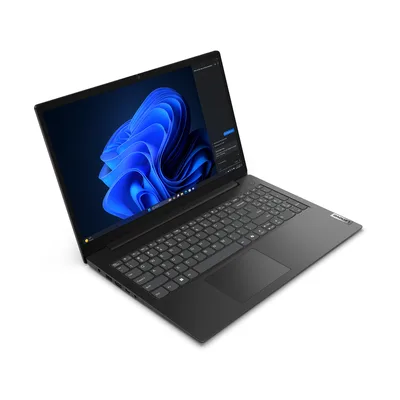
- Processor
- Intel Core i5-13420H
- Memory
- 16 GB
- Storage
- 512 GB
- Screen
- 15.6"
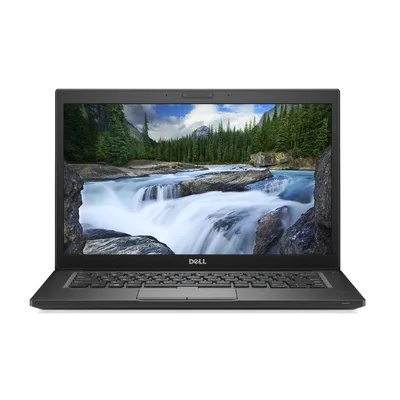
- Processor
- Intel Core i5-8350U
- Memory
- 16 GB
- Storage
- 256 GB
- Screen
- 14"
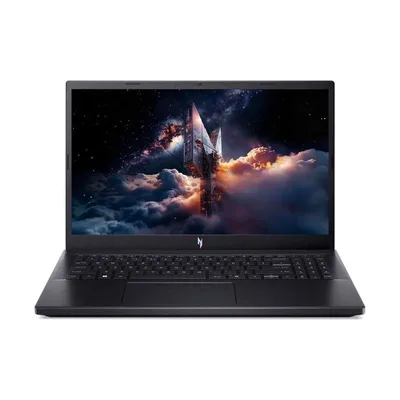
- Processor
- Intel Core i7-13620H
- Memory
- 16 GB
- Storage
- 1 TB
- Screen
- 15.6"
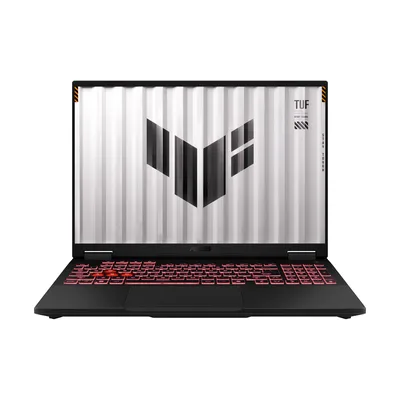
- Processor
- AMD Ryzen 9 8940HX
- Memory
- 16 GB
- Storage
- 1 TB
- Screen
- 16"
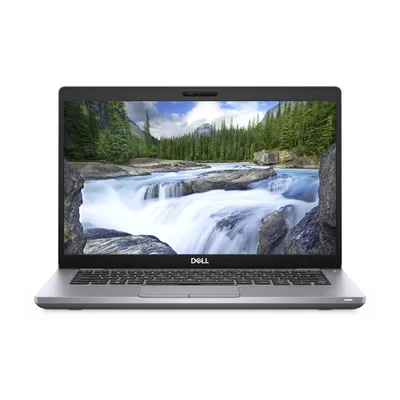
- Processor
- Intel Core i5-10310U
- Memory
- 16 GB
- Storage
- 512 GB
- Screen
- 14"
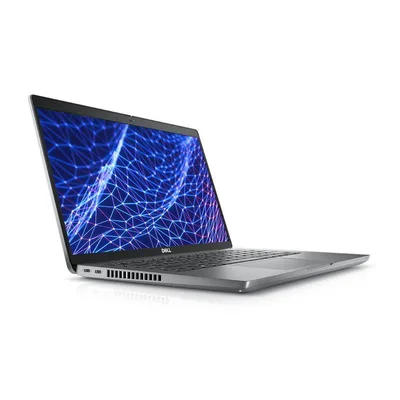
- Processor
- Intel Core i5-1235U
- Memory
- 16 GB
- Storage
- 512 GB
- Screen
- 14"
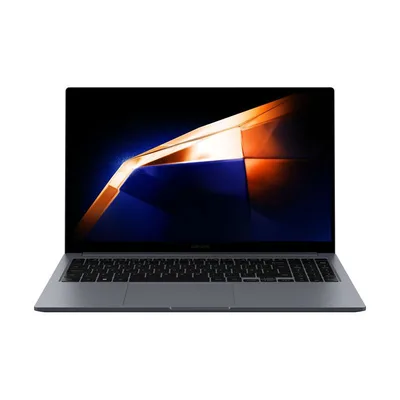
- Processor
- Intel Core 5 120U
- Memory
- 8 GB
- Storage
- 512 GB
- Screen
- 15.6"
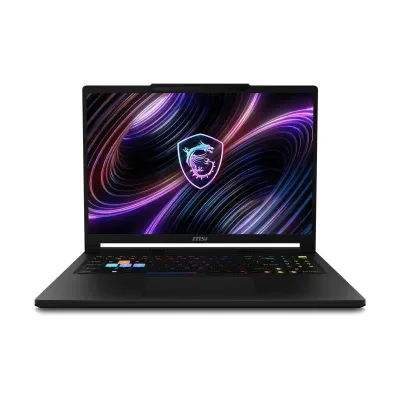
- Processor
- Intel Core Ultra 7 255HX
- Memory
- 16 GB
- Storage
- 1 TB
- Screen
- 16"
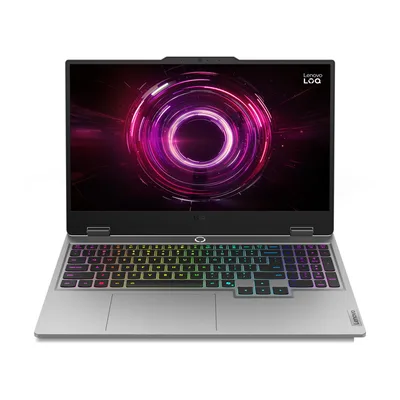
- Processor
- AMD Ryzen 5 220
- Memory
- 16 GB
- Storage
- 512 GB
- Screen
- 15.6"
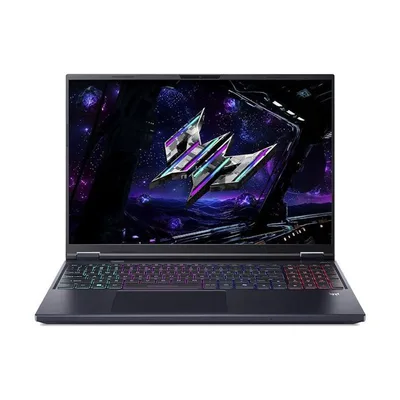
- Processor
- Intel Core Ultra 7 255HX
- Memory
- 16 GB
- Storage
- 1 TB
- Screen
- 16"
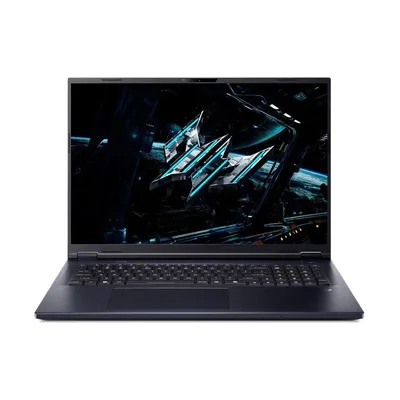
- Processor
- Intel Core Ultra 9 275HX
- Memory
- 16 GB
- Storage
- 1 TB
- Screen
- 18"
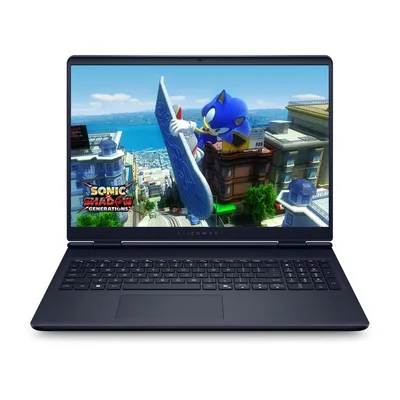
- Processor
- Intel Core 7 240H
- Memory
- 16 GB
- Storage
- 1 TB
- Screen
- 16"
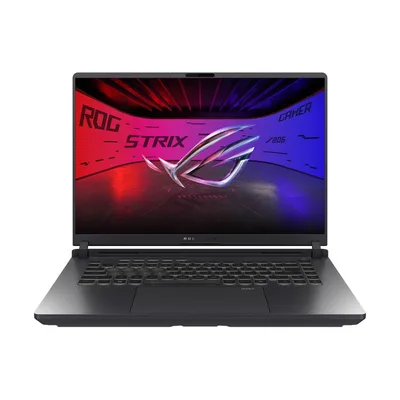
- Processor
- Intel Core i7-14650HX
- Memory
- 16 GB
- Storage
- 1 TB
- Screen
- 16"
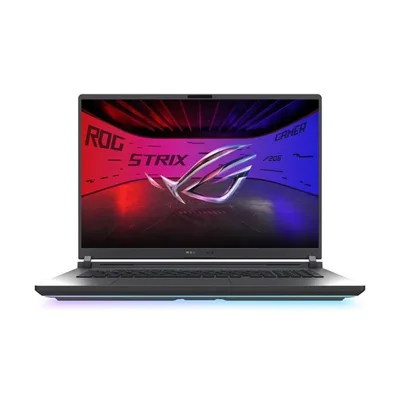
- Processor
- Intel Core Ultra 9 290HX Plus
- Memory
- 32 GB
- Storage
- 1 TB
- Screen
- 18"
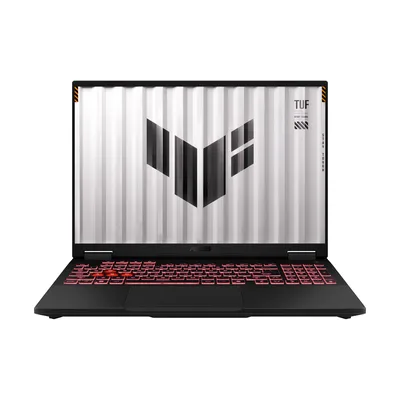
- Processor
- AMD Ryzen 7 260
- Memory
- 16 GB
- Storage
- 512 GB
- Screen
- 16"
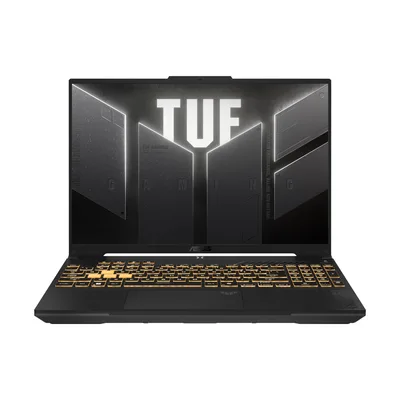
- Processor
- Intel Core 5 210H
- Memory
- 16 GB
- Storage
- 512 GB
- Screen
- 16"
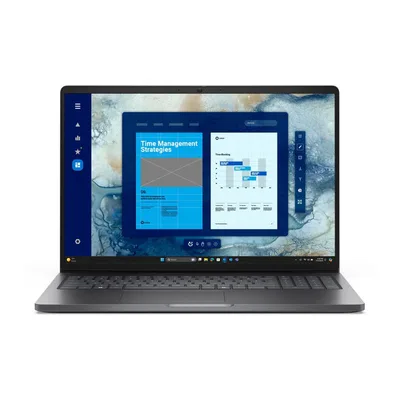
- Processor
- Intel Core 5 120U
- Memory
- 16 GB
- Storage
- 512 GB
- Screen
- 16"
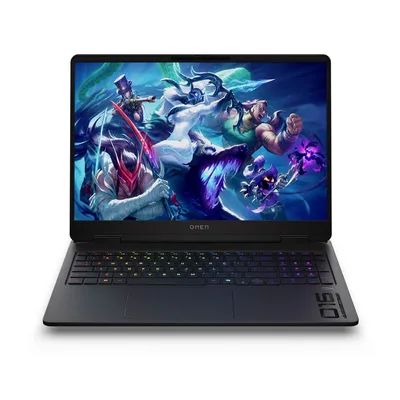
- Processor
- AMD Ryzen AI 7 350
- Memory
- 16 GB
- Storage
- 1 TB
- Screen
- 16"
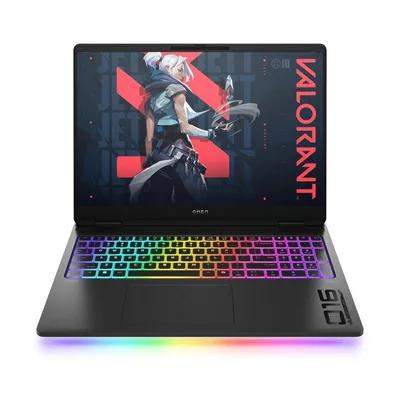
- Processor
- AMD Ryzen AI 9 HX 375
- Memory
- 32 GB
- Storage
- 1 TB
- Screen
- 16"
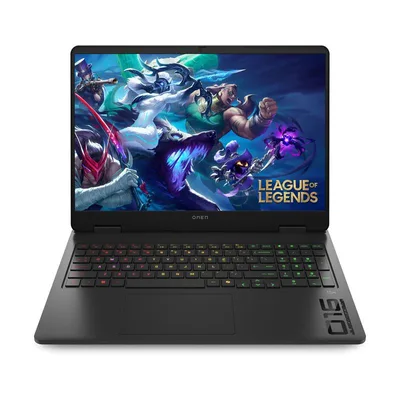
- Processor
- Intel Core Ultra 7 255H
- Memory
- 24 GB
- Storage
- 1 TB
- Screen
- 16"
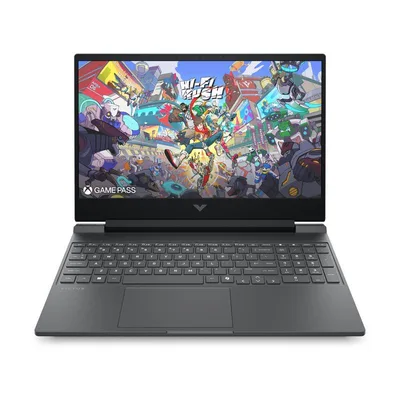
- Processor
- Intel Core 5 210H
- Memory
- 16 GB
- Storage
- 1 TB
- Screen
- 15.6"
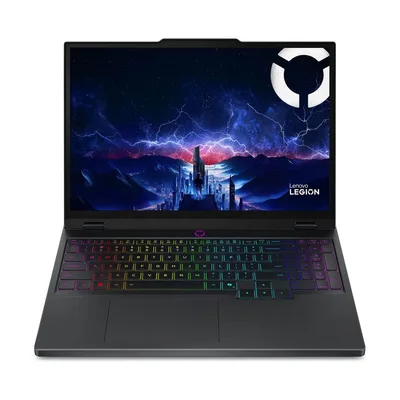
- Processor
- Intel Core i7-14700HX
- Memory
- 16 GB
- Storage
- 512 GB
- Screen
- 15.1"
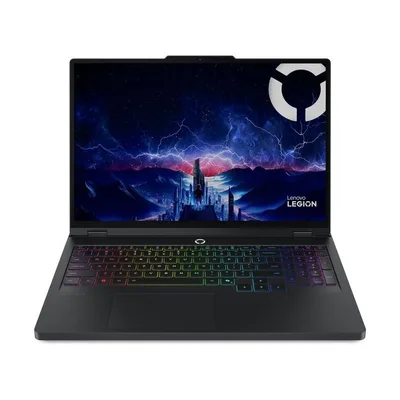
- Processor
- Intel Core Ultra 9 275HX
- Memory
- 32 GB
- Storage
- 1 TB
- Screen
- 16"
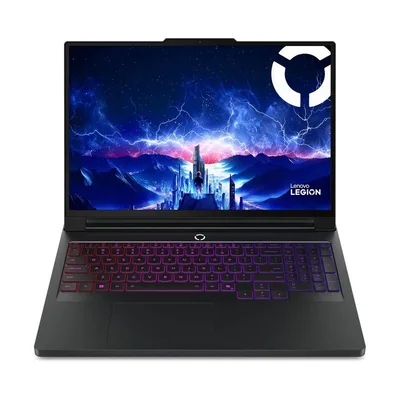
- Processor
- Intel Core Ultra 9 290HX Plus
- Memory
- 32 GB
- Storage
- 1 TB
- Screen
- 16"
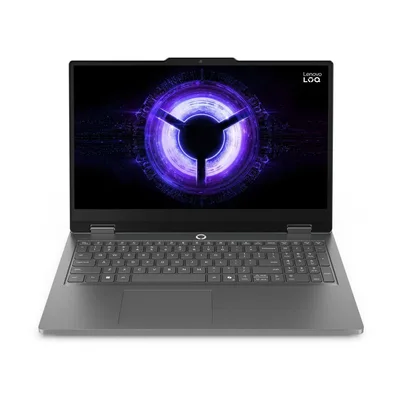
- Processor
- Intel Core i5-13450HX
- Memory
- 16 GB
- Storage
- 1 TB
- Screen
- 15.6"
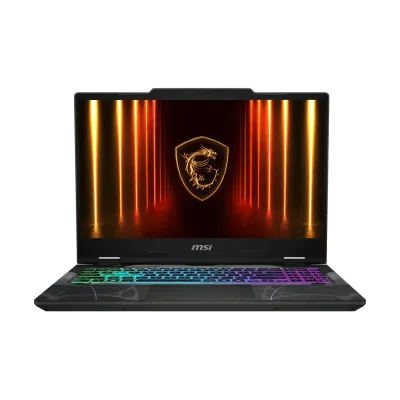
- Processor
- Intel Core 7 240H
- Memory
- 16 GB
- Storage
- 1 TB
- Screen
- 15.6"
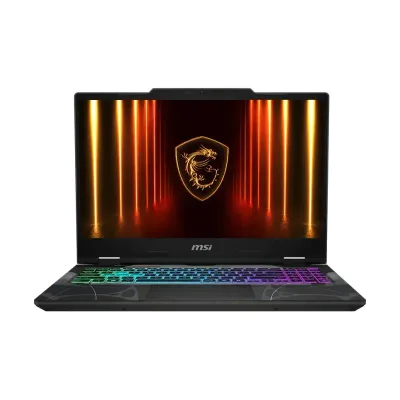
- Processor
- Intel Core 7 240H
- Memory
- 16 GB
- Storage
- 512 GB
- Screen
- 15.6"
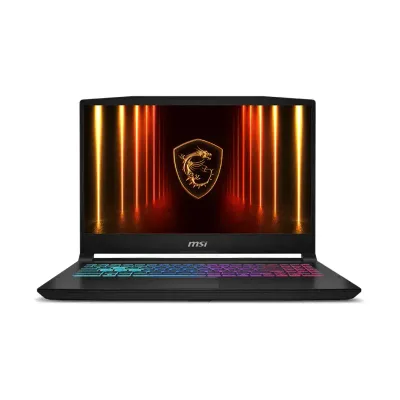
- Processor
- Intel Core i7-14650HX
- Memory
- 16 GB
- Storage
- 1 TB
- Screen
- 15.6"
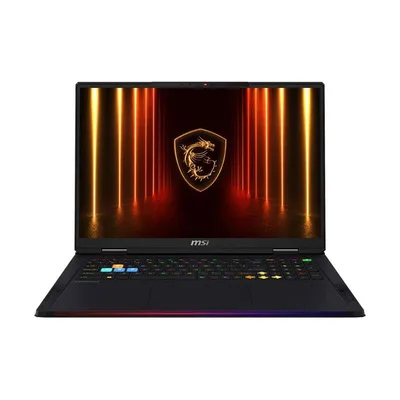
- Processor
- Intel Core Ultra 9 285HX
- Memory
- 64 GB
- Storage
- 4 TB
- Screen
- 18"
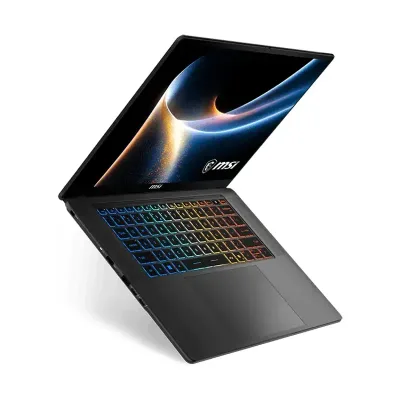
- Processor
- Intel Core Ultra 9 386H
- Memory
- 32 GB
- Storage
- 1 TB
- Screen
- 16"
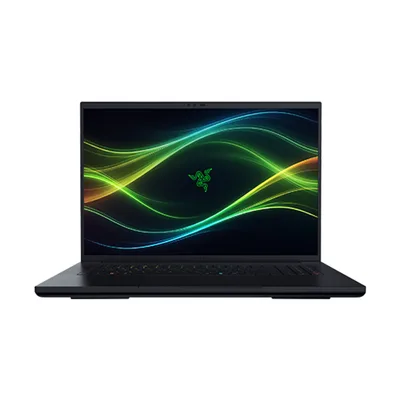
- Processor
- Intel Core Ultra 9 290HX Plus
- Memory
- 32 GB
- Storage
- 1 TB
- Screen
- 18"
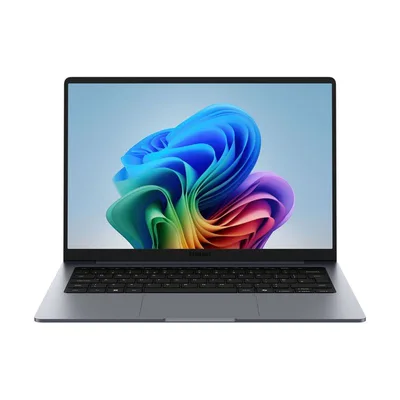
- Processor
- Intel Core Ultra 7 355
- Memory
- 16 GB
- Storage
- 512 GB
- Screen
- 14"
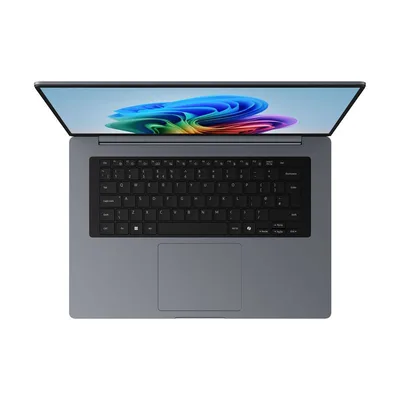
- Processor
- Intel Core Ultra 7 355
- Memory
- 16 GB
- Storage
- 512 GB
- Screen
- 16"
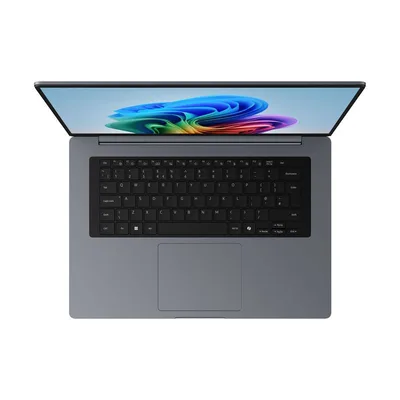
- Processor
- Intel Core Ultra 7 355
- Memory
- 32 GB
- Storage
- 1 TB
- Screen
- 16"
Choosing a laptop with an Ethernet port
A cable still beats Wi-Fi for steadiness. Wi-Fi speed rises and falls as people move around, walls get in the way and neighbours’ networks crowd the airwaves, while a cable gives the same speed and lag all day. You notice it most in online games, long video calls and huge downloads like game installs.
Built-in ports turn up mostly on gaming laptops and business laptops, including plenty of renewed ex-office models, because both are thick enough for the socket and their buyers ask for it. Thin and light laptops almost never have one, so wanting a port pushes you towards a chunkier, heavier laptop.
That’s the real trade-off. A small USB-C Ethernet adapter does the same job on any laptop, so a built-in port is a convenience rather than a must. It earns its place if you plug in at a desk every day or play online a lot. Office workers can look at business laptops, and players at gaming laptops.
Frequently asked questions
Why do thin laptops not have Ethernet ports?
The RJ-45 socket is thicker than most thin laptops. Makers drop it to save space and rely on Wi-Fi, with a USB-C adapter for wired connections.
Is wired internet better than Wi-Fi on a laptop?
Usually more stable, with lower lag. It helps for online gaming, video calls in busy offices and big downloads. Modern Wi-Fi 6 and 7 close much of the gap at home.
Can I add an Ethernet port to any laptop?
Yes, with a USB-C or USB-A to Ethernet adapter. A built-in port just saves carrying one.
How fast is a laptop Ethernet port?
Most run at 1 Gbps, which is faster than most UK broadband connections. Some gaming laptops have 2.5 Gbps ports, which only make a difference on a faster home network or a very fast fibre line.